
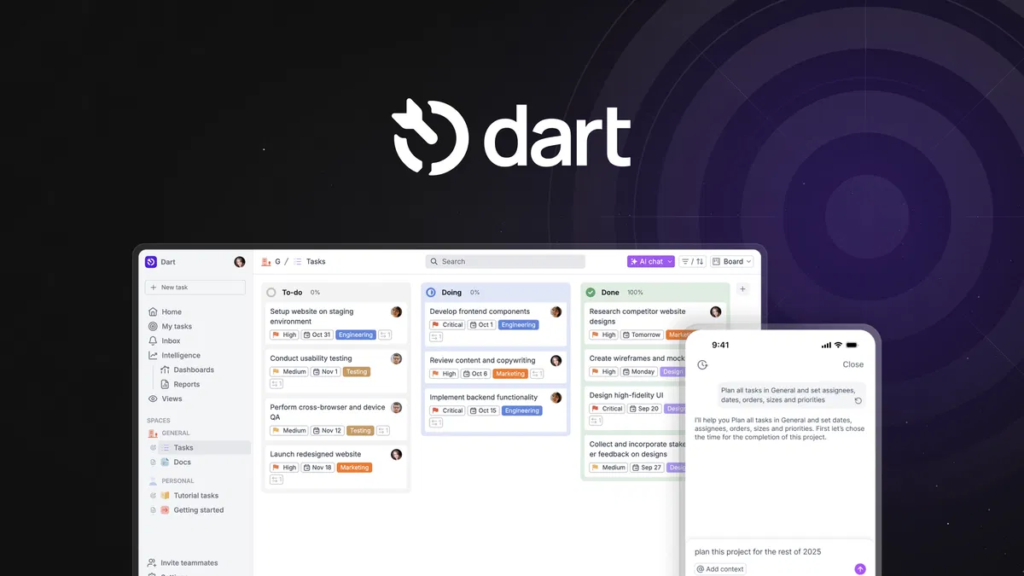
Dart Review matters if you want one codebase for mobile, web, and desktop—without sacrificing speed. The main keyword, Dart Review, helps you evaluate whether Dart fits your roadmap right now. I’ve shipped real features with Dart and know where it shines and where it’s rough. In this guide, you’ll learn how hot reload boosts iteration, how null safety reduces crashes, and how async/await keeps code clean. We’ll also cover isolates for heavy work, package ecosystem trade-offs, and why WasmGC and AOT improve performance on the web and native. Along the way, I’ll compare it with JavaScript and Kotlin ecosystems and show how Flutter closes UI gaps.
Direct answer: Dart is a strong pick if you need fast iteration, reliable null safety, and cross‑platform delivery; its ecosystem is smaller than JavaScript’s, but Flutter and core packages cover most needs. Next, we’ll dive into setup, key packages, and real-world deployment tips. Curious how Dart holds up under production load and team workflows?
Introduction
What if you could use one language to build fast, sleek apps that work everywhere—from mobile to web to desktop? I’ve used Dart, and it delivers. With Dart performance boosted by AOT compilation for release and JIT for hot reload in development, apps feel snappy. It’s object-oriented, uses clean syntax, and handles types well—even infers them. The package ecosystem? Huge. I add features fast using packages like http or json_serializable. Want to parse JSON? dart:convert’s got you. Need async help? Futures and Streams make it manageable. I write once, deploy nearly anywhere. It’s not perfect, but I confidently recommend trying Dart for cross-platform apps—it just works. Dart’s sound null safety feature, introduced in Dart 2.12 and required as of Dart 3.0, prevents null-pointer exceptions and improves code reliability. Dart also supports dynamic typing, allowing variables to hold values of any type when flexibility is needed.
Google’s Programming Language
Since Google created Dart, I’ve found it’s more than just another language—it’s a full toolkit built for real-world use across platforms. The Dart syntax is clean and easy to read, with C-style brackets and intuitive class structures that make coding feel natural. I like how it uses an underscore to mark private members—simple but effective. Though null safety isn’t part of this section, its design sets the stage for safer code. With built-in async support and solid collections, I can handle most tasks without extra libraries. It’s not perfect, but it’s practical, fast, and built to scale—from mobile apps to web frontends. You’ll pick it up quickly. Dart enforces sound null safety to prevent null-related crashes at runtime. It also compiles to multiple targets, including WebAssembly since version 3.4.
Null Safety Support
I’ll walk you through null safety in Dart, a game-changer that stops null bugs before your app even runs. You opt in by updating your SDK version, and once you do, every type is non-nullable by default—so String can’t hold null unless you say String?. With tools like late variables for lazy initialization and null-aware operators like ?. and ?.., you’ll write safer code without drowning in checks. Non-nullable by default means variables must be initialized with non-null values, ensuring compile-time safety. This design enables sound null safety, guaranteeing that non-nullable types are never null at runtime.
Opt-In Migration
Think of the migration tool as your co-pilot when moving into null safety—it won’t fly the plane for you, but it sure makes the trip smoother. I use `dart migrate` to analyze my project and review changes in-browser, carefully checking *!*, which can hurt *performance* if misused. I mark edge cases with green checkboxes to opt out files temporarily. After applying the migration, I manually fix switch statements and mixins. I don’t skip dependency checks—I run `dart pub outdated –mode=null-safety` first. Migrating leaf-first keeps things predictable. And yes, I test everything. The tool helps, but I stay in control. The migration tool updates the minimum SDK constraint in pubspec to support null safety. This ensures your project opts into Dart 3 features when upgrading to Dart 3.0.
Sound Null Safety
Now that we’ve walked through the migration process and how to use the tooling to update code incrementally, let’s talk about what you actually gain when you get to full null safety: sound null safety. With sound nullability, Dart guarantees non-nullable variables can’t be null—ever. That means no more runtime crashes from null errors. The analyzer catches mistakes early, and the compiler skips extra null checks, making your app faster. But full soundness only kicks in when your entire app and all packages use null safety—otherwise, you’re in weak mode. Your migration strategy should aim for full coverage. Use tools to upgrade code, test thoroughly, and avoid overusing ! or late—they can break the safety net. Migrating completely unlocks the real benefits. Sound null safety ensures runtime safety through static analysis and eliminates null-dereference exceptions. This safety is possible because Dart’s type system is fully sound, catching potential null issues at compile time.
Non-Nullable By Default
Null isn’t just a value—it’s a bug waiting to happen. That’s why Dart’s *non-nullable by default* design is a game-changer. With null safety, variables can’t be null unless you explicitly allow it using `?`, like `int? count`. This shifts null errors from runtime to compile time—no more surprise crashes. Dart uses type inference, so you get safety without constantly writing types. I let Dart figure out `var name = ‘Dart’` is a String. Non-null is the norm because research showed it’s what we usually need. Trust me, your future self will thank you when the compiler catches what used to be hours of debugging. Just write normal code—I do—and let Dart guard against nulls.
Late Variables Explained
Sometimes, you just *can’t* set a value right away—but you still know it’ll be there when needed. That’s where late initialization shines in Dart. I use `late` to declare non-nullable variables without assigning them immediately, keeping null safety intact. Dart trusts me—until I prove it wrong. If I read the variable too soon, I get a `LateInitializationError`. Ouch. But `late final` saves me from accidental reassignment, enforcing immutability on first use. Great for setup-heavy fields.
Pricing
So, what does DART’s new pricing actually mean for your wallet?
The fare structure’s simpler now: one 3-Hour Pass replaces several old options, making choices easier.
Monthly Passes cost more—jumping to $126 for regular users—so budget accordingly. But Day Passes stay the same.
Good news? Discount programs are stronger. Veterans and eligible riders get 50% off. Kids in grades K–5 now qualify through schools. Employer programs still save 25% or more.
Frequent riders should consider a Monthly Pass. Occasional riders? Pay As You Go with fare capping keeps costs low.
Use the right pass, and you’ll save.
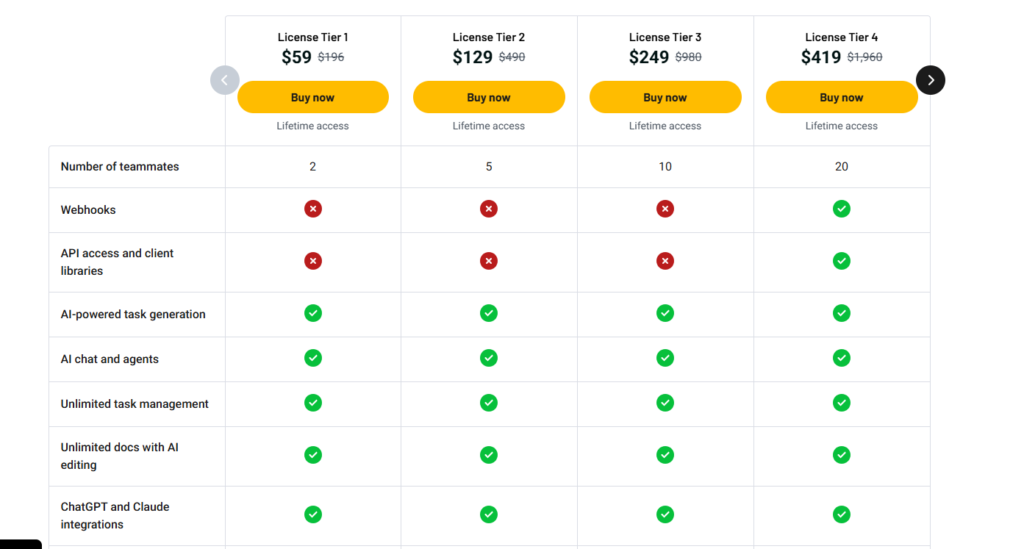
Pros and Cons
I’ll be honest—Dart isn’t perfect, but it’s got some solid strengths that make it worth trying, especially if you value speed and consistency. You’ll love how hot reload lets you tweak your app in real time, and the fact that one codebase can build for mobile, web, and desktop feels like a small win every time. Sure, it’s got quirks, like any language, but the strong typing and built-in async tools actually make coding less stressful, not more.
Pros
Why do so many developers say Dart feels like a source of new inspiration? For me, it’s the blend of language aesthetics and practical syntax sugar that just clicks. Dart isn’t flashy, but it makes coding smooth and predictable. Here’s what stands out:
- Fast performance – AOT compilation means my apps launch quickly and run smoothly.
- Easy to learn – If you know JavaScript or Java, you’re already halfway there.
- Async made simple – `async/await` handles tasks without the headache.
- Hot reload magic – I see changes instantly, which keeps my workflow fast and fun.
It just works—quietly, reliably, and well.
Cons
That said, Dart isn’t without its tradeoffs—and being honest about them helps you decide if it’s the right fit for your project.
- Ecosystem limitations mean fewer ready-made tools, so you’ll often build things yourself.
- Hiring experienced Dart devs is tough—smaller community, fewer tutorials.
- Performance constraints show up in heavy tasks; isolates aren’t as straightforward as threads.
- App size and slower tooling can hurt, especially on web or tight deployment budgets.
Yeah, it’s manageable—with planning. But don’t ignore the real effort behind the polish. Consider your team and needs carefully.
User Experience
What makes Dart feel so smooth to work with?
It nails lifecycle ergonomics—stateful hot reload shows changes instantly, so I fix UI tweaks without losing app state. No more restarting from screen one. Memory management? The garbage collector runs smoothly, even during heavy animations, so my apps stay responsive.
AOT compilation means fast startup; JIT keeps dev cycles snappy. I write code, save, and see results—fast.
VS Code gives real-time feedback. Generics, async/await? Clean and simple.
You’ll move quicker, not fight tools. If you want fluid flow from idea to app, Dart’s got your back—and your RAM, too.
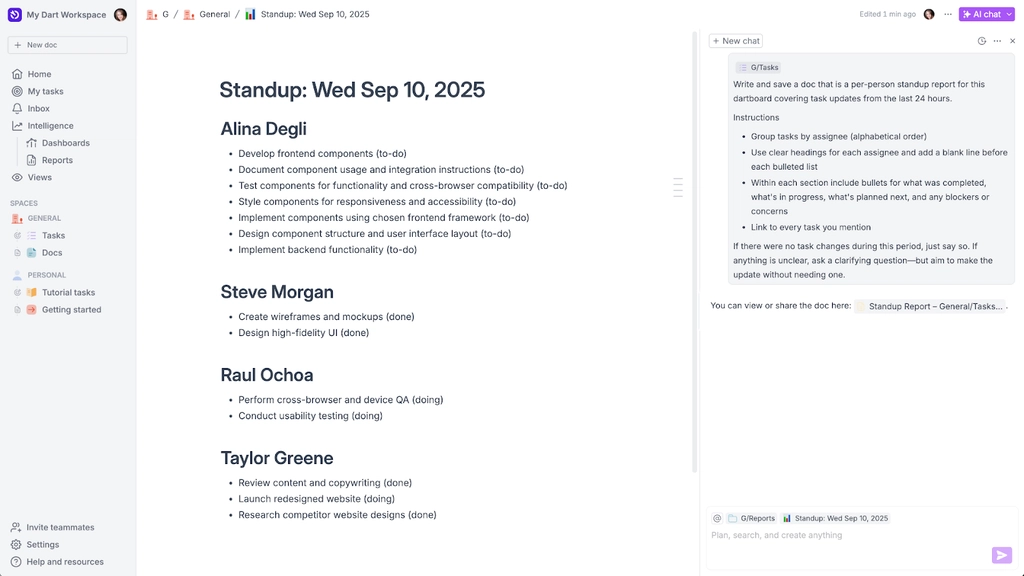
Free Dart Course Included
Ever wonder where to start learning Dart without spending a dime? I’ve tried the free Dart options, and the course inclusion is solid. You get syntax, functions, async coding, and even Flutter prep—all for free. Some lack certificates, but the skills? Totally usable.
| Format | Best For | Example |
|---|---|---|
| YouTube | Full walkthroughs | Zero to basics in 2 hours |
| dart.dev | Up-to-date core skills | Official language tour |
| MOOCs | Guided practice | Coursera short projects |
| Articles | Step-by-step code | GeeksforGeeks examples |
| Sandboxes | No-install coding | Interactive tutorials |
Start with dart.dev—it’s reliable, clear, and totally free.
Alternatives
I’ve used a few alternatives to Dart, and let me tell you—some fit specific needs better. If you’re building mobile apps fast with a big toolkit, React Native might be your go-to, thanks to real-time updates and thousands of ready-made parts. For heavy-duty number crunching on the web, though, WebAssembly (like with Rust or C++) runs closer to machine speed and can beat Dart’s output in tight loops.
Alternative #1
So, what’s actually out there if you’re considering something other than Dart?
JavaScript/TypeScript stands out—there are over 15 million developers using it, so help and libraries pop up fast. Need a package? npm’s got it. You avoid Dart’s odd privacy concerns since JS runs client-side by default. Corporate licensing isn’t a headache either—most tools are open and free. TypeScript adds safety with type checks, catching bugs before launch. I’ve debugged in Chrome DevTools—it’s slick. Sure, performance varies, but with V8, real-world speed is solid. If you want wide reach and fewer legal wrinkles, JS/TS is a smart, steady pick. No drama, just code.
Alternative #2
Another solid option if you’re stepping outside the Dart lane is Kotlin, especially if you’re working on mobile apps or need tight integration with existing Android or backend systems. I like how Kotlin handles memory management safely with null-safety and clean syntax—fewer crashes, less debugging.
It’s not focused on web accessibility like JavaScript tools, but on mobile, it’s strong. You can even share code across platforms with Kotlin Multiplatform, which helps if you’re juggling iOS and Android. The tooling in Android Studio is solid, and since it runs on the JVM, integrating with backend Java systems? No sweat. Teams already using Java or Android will adapt quickly—less friction, faster results.
Alternative #3
What if your next app didn’t run on Dart at all?
Alternative #3: React Native with JavaScript/TypeScript**. It’s got serious market viability—Meta backs it, and companies like Shopify and Uber Eats use it. You get a massive library ecosystem, hot reload, and web-like syntax your team may already know. Adoption hurdles? Sure. Performance isn’t quite native, and managing third-party packages can get messy. But if you want fast cross-platform results with strong community support, it’s hard to beat. I’d pick it for MVPs or apps where time-to-market** matters more than pixel-perfect UI. Just expect some tweaks on iOS and Android later. Worth the trade-offs? Often, yes.
Conclusion
Why might Dart be worth considering for your next project, especially if you’re building user interfaces? Because it’s fast, safe, and built for modern workflows. With sound null safety and hot reload, I catch bugs early and move quickly. Future tooling investments—like better editors and DevTools—keep improving the experience. WasmGC support means Dart now runs more efficiently on the web, not just mobile. Flutter drives its growth, yes, but the language itself is sharp, with clean syntax and strong performance. I won’t use it for systems programming, but for UIs? Absolutely. If you value smooth workflows and consistent results across platforms, give Dart a real look. It’s low-risk, high-reward.
Frequently Asked Questions
What Companies Use Dart in Production?
I see companies like Google, Alibaba, and ING using Dart in production—you’ll find them leveraging it across frontend and backend. When comparing dart vs flutter, most use Flutter for apps, but Dart’s powering scalable backends too.
Is Dart Suitable for Backend Development?
Yes, I find Dart suitable for backend development. Dart backend handles high concurrency well, and I rely on dart performance thanks to JIT/AOT compilation, isolates, and scalable event-driven architecture for fast, reliable services.
How Does Dart Compare to Typescript?
I find Dart easier to pick up than TypeScript, but TypeScript’s ecosystem differences give it an edge. Its learning curves are steeper, yet its tools and libraries make development faster and more reliable for me.
Can Dart Be Used for Desktop Apps?
Yes, I use Dart for desktop apps—just compile with AOT for fast dart desktop deployment. My single codebase runs natively on Windows, macOS, and Linux with no bridges, thanks to Flutter and Dart VM.
Does Dart Have Strong Community Support?
I see Dart’s community support as solid but niche—Dart language popularity grows slowly, and while the Community tooling ecosystem is strong, it’s mostly fueled by Flutter and corporate backing, not broad grassroots adoption.
